
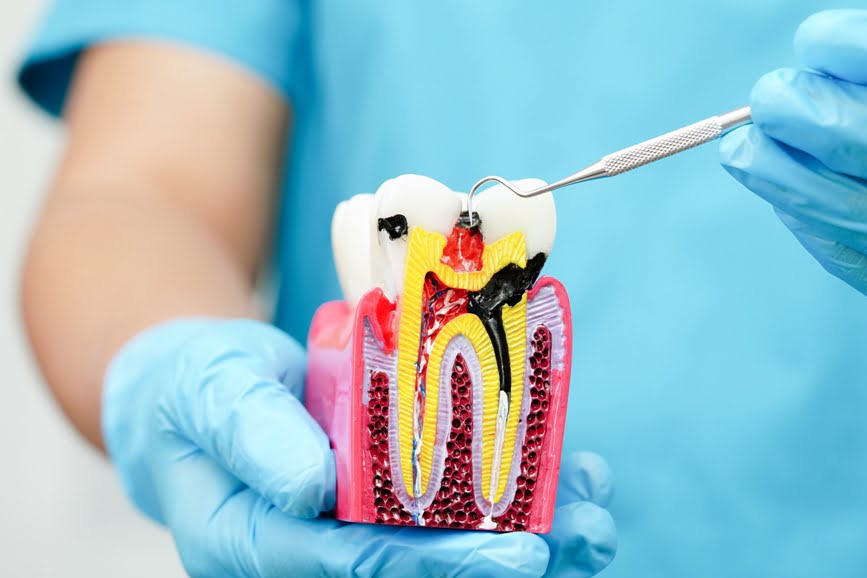
If you are experiencing discomfort or feel severe pain in your teeth, you may be thinking whether you need to undergo root canal therapy. If your tooth is swelling and infected, it may be sensitive to temperature fluctuations, your dentist could provide painless root canal treatment Wyndham Vale. The procedure is also called endodontic therapy in some circles. You’ll be able to understand each of the four phases of root canal therapy when you go through this article.
Are you ready to experience a trusted dental clinic in Wyndham Vale? This will help you be prepared for the root canal procedure when it comes time.
The Stages of Root Canal Treatment
The treatment for the root canal will comprise of four phases:
Stage 1: Pulp Infection Diagnosing
The pulp is the soft tissue that is located in the teeth. When the pulp of a tooth becomes infected, it usually requires root canal therapy. When patients experience discomfort in their teeth typically visit their dentist at home. Once an appointment with the dentist generalist has determined that there is no chance of any other issue then the patient is directed to a specialist for further examination.
Specialists are sought out in the event that a general dentist concludes that the root of the patient’s discomfort lies inside the tooth as this requires the use of more sophisticated diagnostic tools. A dentist using endodontia will use digital X-rays and digital images to determine if the tooth is in need of root canal therapy carried out on it.
Stage 2: Eliminating all Infected Pulp
The affected pulp is removed from the tooth through drilling small holes in the tooth’s crown. The endodontist may use surgical instruments to clean the canals of the root, at which the infection is eliminated. The endodontist might then administer a medication to ensure there is no chance for infection that could cause more problems. Canals are completely cleansed and are free of any sign of infection.
Stage 3: Filling Root Canal
The endodontist places a new root filler inside the tooth, which was previously occupied by the damaged pulp. The area is then sealed with glue to keep bacteria and saliva from contaminating the new filler. If this occurs, the dentist then moves to the second step of root canal treatment. This is to expand the root canal so that the infection can be cured. Repairing the tooth with rods or other methods of strengthening is required in this situation. The tooth’s apex is filled temporarily to avoid the spread of infection.
Stage 4:Reconstruction of the Root
The temporary filling has to be removed after a couple of weeks. Therefore, the patient must arrange a consultation with a restorative dental professional. The tooth that has been infected is returned to its pre-infection strength by placing a crown over it by a restorative dentist.
Conclusion
Root canal therapy is used to eliminate infected pulp from the tooth to stop the infection from recurring. Instead of removing teeth (a costly and more complicated procedure) to treat the issue and relieve irritation, your dental professional can conduct a root canal procedure to protect the tooth and avoid the spread of infection and further damage.
Commonly Asked Questions About Root Canal Treatment
How long will the root canal treatment last?
According to this study by The Journal of Endodontics, 98 percent of root canals are able to last 1 year. 92% survive for five years, and 86% survive for 10 years.
Does a root canal painful?
A local anaesthetic is used to ensure that the procedure of removing a root canal isn’t any more painful than a normal dental procedure. However, it might take a little longer, and therefore it might be a little more uncomfortable, but you won’t experience any pain or discomfort.
How long will the root canal procedure be required to get healed?
Normal recovery from the root canal procedure is less than a week. There is slight discomfort in the initial days. Then, you are able to return to regular routine and eating habits.
What should you stay clear of after undergoing a root canal?
- Foods that are extremely hot or cold (avoid Ice cream and hot soup)
- Foods that require lots of chewing (thick steak, crisp bread)
- The food items that can be sticky (no gum, caramels, or candy)
- Foods that are crunchy (potato chips, crackers, and raw carrots)
- Do root canals require a crown?
Some root canal treatments require crowns. It depends on how the remaining tooth structure remains. Should the bulk of your tooth be removed, you’ll need crowns to help protect the tooth following your root canal procedure.
Why do root canals take several visits?
The affected material inside the tooth must be removed, and the space sterilised with a medication. There are specific protocols to follow so that the procedure can have the highest chance of success. The most frequent number of times the root canal is typically three visits.
Can X – Ray Show are you need a root canal?
An x-ray can reveal that you’ll need an operation to treat your root canal. It offers the dentist the most accurate image of the tooth that is infected and will let them know whether they should proceed with the procedure.
