
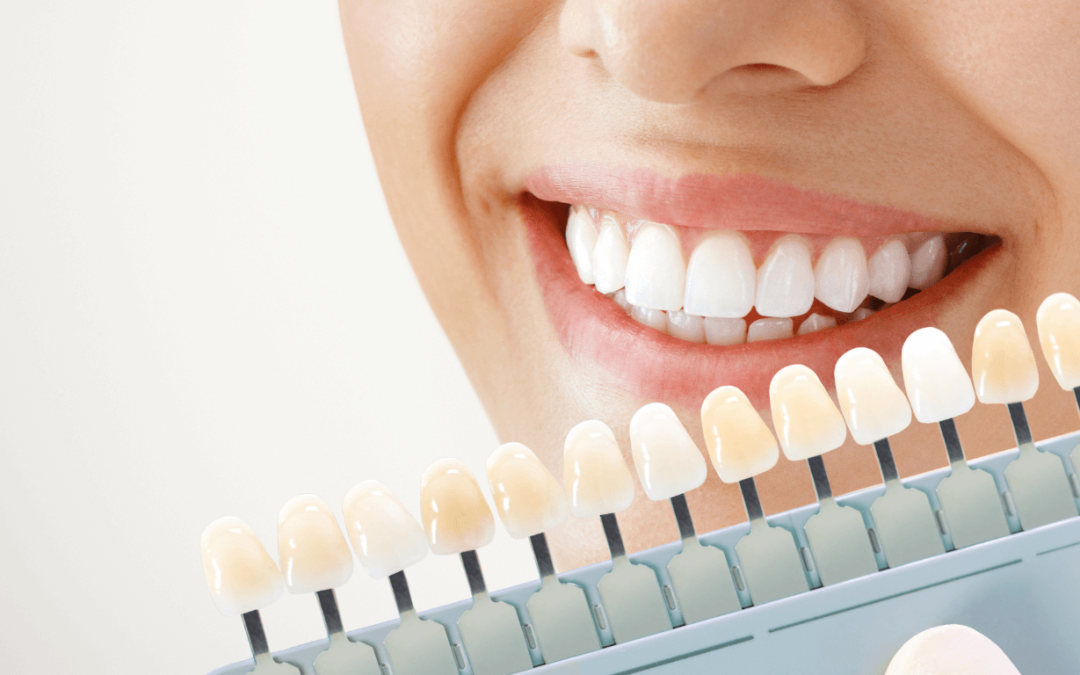
In the year 2019, the Australian Dental Association (ADA) noted a significant increase in the demand for teeth whitening. Teeth whitening is a popular option for those who want better-looking, whiter teeth free of stains from alcohol, specific food items or smoking. But the advantages teeth whitening is far beyond the bulk billing purpose, with people noticing better oral health as well as increased self-confidence.
If you’re thinking of getting your teeth whiter, and want to know all the facts you require to make an informed decision. For instance, you may be interested in knowing more about:
- The main difference between these two primary ingredients used for teeth whitening
- The main difference is getting your teeth whitened with a dentist, versus having them whitened in an aesthetic salon located in the shopping centre
- The Australian tooth whitening laws.
Check out some of our most frequently asked questions that will help you make the right choice about teeth whitening.
1. What is Teeth Whitening Gel Made of?
Teeth whitening gel consists of two active ingredients to slowly lighten the appearance of your teeth. These are hydrogen peroxide and carbamide peroxide. Peroxides are substances used for bleaching materials like clothing, paper and, in a dental setting such as teeth. The gels are composed of carbamide peroxide or hydrogen peroxide in different amounts.
2. Hydrogen Peroxide vs Carbamide Peroxide?
Both contain oxygen, which bleaches teeth. Hydrogen peroxide is a hydrogen-containing compound as well as carbamide peroxide, which contains additional elements that to make it a more stable compound than hydrogen peroxide.
Hydrogen peroxide is the basic definition of a peroxide. It is composed of two hydroxyl groups that are bonded (HO-OH). It is impossible to find a more basic peroxide compound. The hydroxyl group is quite reactive, with hydrogen atoms especially keen to interact with other chemicals. This means that hydrogen peroxide is more unstable than other peroxides, even though it bleaches teeth fast.
This is the place where carbamide peroxide is found. It is not only a source of two groups of hydroxyl, it also has urea. Urea is a naturally occurring compound comprised by an oxygen atom that is double-bonded with two amino groups (-NH2). Carbamide Peroxide is weaker but also more stable than its hydrogen counterpart. This can lead to the peroxide using a longer time to bleach teeth.
Both of them contain two hydroxyl groups that aid in the bleaching of teeth. Both are powerful agents for oxidation, and could cause irritation to the skin and eye damage in large concentrations. Be aware that dentists and cosmetic salons don’t make use of peroxides in concentrations that are sufficient to trigger the effects of oxidation.
3. Is Carbamide Peroxide Have a Longer Shelf Life than Hydrogen Peroxide?
Because carbamide peroxide can be more stable than hydrogen peroxide, it has an extended shelf life. Because the difference is small, both whitening agents profit by being kept in a refrigerator. Both peroxides will be less effective if they are stored at room temperature.
4. Which Compound is More Effective?
Both of them provide efficacious whitening results. But, since hydrogen peroxide acts faster, this can provide whiter results faster.
5. How Do You Expect a Peroxide Treatment to Last?
Hydrogen peroxide is more effective in comparison to carbamide peroxide. It takes 15 to 20 minutes for whitening with hydrogen peroxide. It takes about 20-25 minutes to complete the procedure using carbamide peroxide. This is for treatment in a chair at a dental office. The whitening time at home is usually in the range of 2-3 hours and can go all the way to all night.
6. Is One Peroxide Better for People Who Have Sensitive Teeth?
If applied correctly and with the right concentrations (6 per cent for hydrogen peroxide, and 18% for carbamide peroxide) It is rare for patients to feel sensitive teeth. Patients can make use of desensitising toothpaste and tooth mousse in conjunction with their treatments for whitening teeth. These products can help to lessen the sensitivity of teeth.
7. Does One Agent Cause More Rebound?
The teeth appear lighter right away after whitening, but they lose their brilliance within a short period of time, which is known as rebound. Both carbamide and hydrogen peroxide can cause rebound. Moreover, our whitening agents have more water to ensure that teeth are in good condition and help reduce rebound.
8. Are There Laws in Australia About Who Can Apply Teeth Whitening Treatments?
- Only dentists can legally apply products for teeth whitening that contain over the 6% level of hydrogen peroxide and above 18% carbamide peroxide within Australia. These treatments are only permitted to be applied in a dental environment.
- Dental kits for take-home use from a dental practice can have peroxide levels below 6 % for hydrogen peroxide and 18% to carbamide peroxide. The dentist may prescribe kits for take-home use with higher concentrations of peroxide depending on the need.
- Salons that offer cosmetic whitening must utilize whitening agents that have peroxide concentrations below 6 % for hydrogen peroxide, or 18% for carbamide peroxide.
- We have Australian laws, guidelines and restrictions on cosmetic tooth whitening in order to protect consumers and ensure proper compliance to the requirements of salon and dental suppliers. The Australian regulations further stipulate that products for whitening contain approved ingredients only, such as peroxides. They also help to cut down on false or misleading advertisements about cosmetic whitening.
9. Teeth Whitening Werribee at a Dentist or a Salon. What’s the Difference?
The dental office or the salon uses the same LED lights to make the gel peroxide-based. The major differences are:
- Greater peroxide concentrations in dental offices compared to beauty salons, with higher concentrations of peroxide.
- 15 minutes total time spent at the dentist, compared to 20-30 minutes in the salon.
- Training & Education: cosmetic salon staff don’t complete nationally-recognised training, and can complete a 3-day training course with no prior experience. The specialists who offer whitening services in dentists are educated to a degree and engage in continuous professional development.
10. How Long Will Teeth Whitening Last?
If you are having a dental whitening procedure within the dental chair, you can anticipate results to last 6-12 months, following four sessions of whitening that last 15 minutes.
If you opt for a dental bleaching treatment from the comfort and privacy of your home, it is recommended to do at minimum four treatments in the initial week to see noticeable improvements. Following up on at-home whitening typically needs regular weekly visits.
11. Do I Get a Personalised, Fitted Mouthguard When I Get My Teeth Whitening Treatment?
If you decide to visit the dentist for a whitening procedure, you get a custom-made mouthguard. It’s a unique, custom-designed tray for applying the gel for teeth whitening. It’s like a mouthguard, but more refined in its form and structure.
If you opt for treatment in an in-home procedure, you’ll get the bleaching agents as well as the tray that you attach to your teeth during the time you’re advised to do. At-home kits come with the necessary instructions for cleaning and storing the tray.
If you visit the dental clinic to receive the whitening procedure in-chair, you’ll also receive your own set of customised gel tray. The dental clinic keeps the trays in its premises for future visits.
Since the cosmetic salon employees aren’t certified dental professionals, they are unable to provide a personalised tray of whitening for each client. Making use of mouthguards or trays that don’t come with a customised design could result in burnt gums or uneven whitening gel application.
12. Are Dental Examinations Included in the Price of In-Chair Whitening Treatments?
If you decide to visit the general dentist you want to use for treatment to whiten your teeth, you’re committing yourself to the treatment that will whiten only. Dentists recommend a routine dental exam or check-up prior to starting a whitening treatment. You should ensure your teeth are healthy prior to beginning treatment.
Ready for Brighter Smile
If you are aware that all dentists of the 32 Pearls Dental Surgery are skilled bleaching and teeth whitening experts, and are content choosing our dental clinic. Our team members receive ongoing and current training in this area and are skilled and compassionate throughout the entire treatment. In-chair and take-home services make use of Zoom products to whiten. Zoom LED light therapy is a key component of our in-chair offerings. Zoom treatment with LED lights is a key element of the in-chair whitening experience.
