
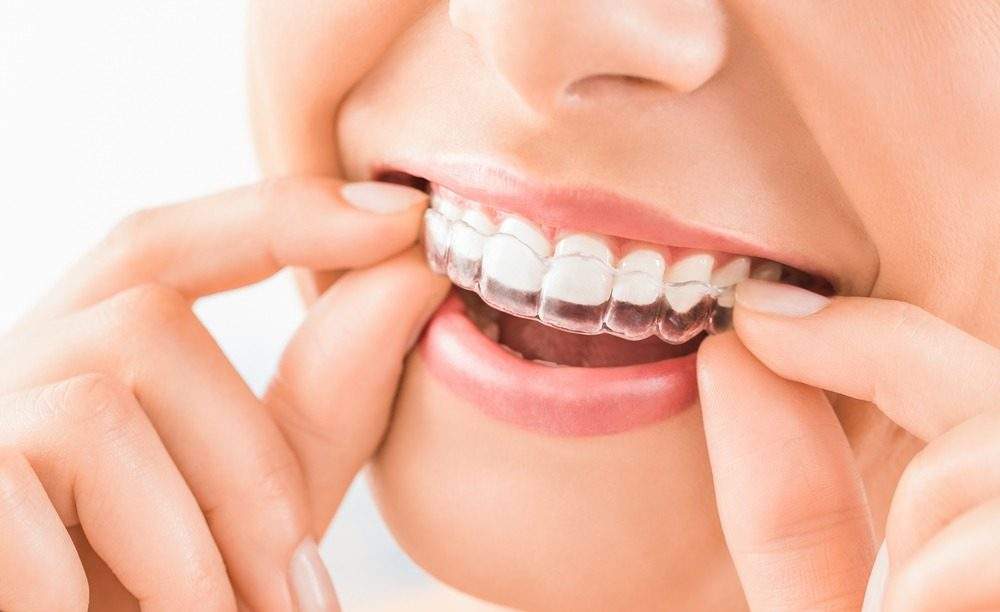
Invisible braces, often referred to as clear aligners, are a popular choice for people seeking orthodontic treatment without the visible appearance of traditional braces made from metal. Although they are becoming more popular, numerous myths and rumours are associated with these modern orthodontic options. Here, we will examine the top 10 myths surrounding invisible braces that will help you to understand the confusion and assist in making an informed decision about the health of your teeth. 10 myths about invisible Braces That You Should Be Able to believe
1. Invisible Braces Are Only for Minor Corrections
One of the most frequent misconceptions about invisible braces is that they’re only appropriate for minor orthodontic issues. Many believe that they’re not suitable for more severe issues related to dental alignment or other, more complicated issues.
Details: Invisible braces, particularly those manufactured by the top brands like Invisalign, can be very effective in the treatment of a range of orthodontic problems. They range from minor misalignments up to more complex issues related to bites. Clear aligners can be used to treat crossbites, overbites and underbites, as well as gaps and crowded teeth. A dentist will assess your individual needs and determine whether clear braces are the best option for you.
2. 10 Myths About Invisible Braces You Should Stop Believing
Many people believe that clear aligners are uncomfortable due to the fact that they fear that they may cause irritation or pain. While discomfort is a part of all orthodontic treatments, the notion that invisible braces can cause more pain than traditional braces is untrue.
Reality: Most people find clear aligners to be more comfortable than braces made from metal. The aligners are made of soft plastic that will reduce the possibility of irritation to your gums and the inside of your mouth. The pain that is experienced usually lasts only a few minutes and indicates that braces may help move your teeth in a balanced place. Furthermore, since there aren’t wires or brackets, you don’t have to worry about sharp edges or constant adjustment.
3. Invisible Braces are Too Expensive
Many think that clear aligners carry high costs which is why they aren’t affordable for those with a moderate income. While it’s true that invisible braces can be more expensive than traditional braces, they’re typically less expensive than you imagine.
Details: The cost of invisible braces may differ depending on the severity of the treatment you receive, the area of treatment, and the dental firm you select. But the majority of insurers cover a portion of the cost, and some dentists offer payment plans that facilitate the process. Clear aligners can save cash in the long term as they usually require less trips to the dentist as well as fewer adjustments than traditional braces.
4. You have to wear Invisible Braces all the time
There’s a general conviction that clear aligners need to be worn throughout the day to ensure they’re efficient. However, this isn’t the case.
Truth Although it is essential to have braces that aren’t visible for between 20 and 22 hours every day, it is also possible to are able to remove them during eating, drinking, flossing, or even eating. This flexibility is one of the primary benefits of aligners that are clear over traditional braces. They are also able to be worn to special occasions, like photography shoots or any occasion of a larger scale. However, it is important to follow the directions of your dentist to be sure you’re heading in the right direction with the treatment plan you’ve put in place.
5. Clear Aligners last longer than Traditional Braces
Many believe that clear aligners need longer to align teeth than traditional braces composed of metal. This was true prior to the introduction of clear aligners. Technological advances in orthodontics have enabled invisible braces be as quick and efficient as traditional braces.
Truth: Many times, clear aligners are able to help straighten your teeth within the same duration as conventional braces. They typically last between 12-18 months. The precise duration of treatment will be determined by the specific dental requirements of your. The most crucial factor to get faster results is wearing your aligners consistently and following the recommendations by your dentist.
6. Clear Aligners Aren’t Effective for Complex Dental Issues
Many believe that clear aligners won’t be capable of treating more complicated orthodontic issues, such as serious bite problems or the crookedness of teeth.
Truth: Clear aligners can be utilised to treat a range of dental issues, which include difficult issues. The technology behind clear aligners is continually evolving and allows them to handle more complicated cases. With the advancement of 3D imaging and customised treatment methods, clear aligners may offer effective solutions to many patients, such as those suffering from severe misalignment or issues regarding their bite. In extremely complex circumstances, braces made of traditional wires might be the best choice.
7. You are free to eat whatever you’d like with Clear Aligners
Clear aligners offer more flexibility than traditional braces. However, there are certain things to keep in mind.
Details: You can remove your aligners when eating or drinking, but it is important to keep in mind that you should not drink alcohol when wearing your aligners. Consuming drinks or food while wearing your aligners can cause them to be stained, harm their material or trigger the accumulation of bacteria. It’s also advised to wash your teeth following meals prior to taking off your aligners to ensure your oral hygiene.
8. Invisible Braces Don’t Require Maintenance
Many believe that because invisible braces are removable without a hassle, they don’t require any regular care or maintenance.
Truth: While it’s true that aligners made of clear are easy to keep clean, they need to be maintained regularly. Aligners must be cleaned using hot water as well as a gentle toothbrush to avoid the build-up of plaque and staining. Also, it is important to follow the instructions of your dentist when it’s time to switch to the next set of aligners. In the absence of this guidance, you could hinder the progress of your treatment.
9. Anyone can use invisible Braces
Another myth commonly repeated is that everybody is able to wear invisible braces regardless of age or health.
Truth: Many people might get straight aligners that are clear they are not all suitable for everyone. Clear aligners are best suited for teenagers and adults with fully grown teeth. Children or those with particular dental issues, such as overcrowding or jaw problems or those with severe dental issues may not be the best candidates for invisible braces. It is essential to speak with your dentist or an orthodontist in order to decide if clear aligners might be the right choice for you.
10. Your teeth will shift back Following Treatment
A lot of people are worried about their teeth moving back to their original position after they have completed treatment using invisible braces.
Truth: Though some grinding happens naturally as time passes, wearing a retainer once the procedure has been completed is vital to ensure that your teeth are in the right position. Your dentist will recommend the right retainer to ensure the effects last for a long time. Retainers are typically worn during the night to assist in keeping your alignment the way it was accomplished through treatment with clear aligners.
Conclusion
Invisible braces are a discreet, comfortable, and aesthetic method for straightening your teeth. There are a lot of misconceptions regarding this procedure. When you have the facts and dispel the myths, then you’ll be in a position to make an informed decision on which clear aligners could be an appropriate choice for you. Always consult with your dentist for advice in your decision-making process and make sure that you follow the guidelines suggested by your dentist to ensure the best results.
