
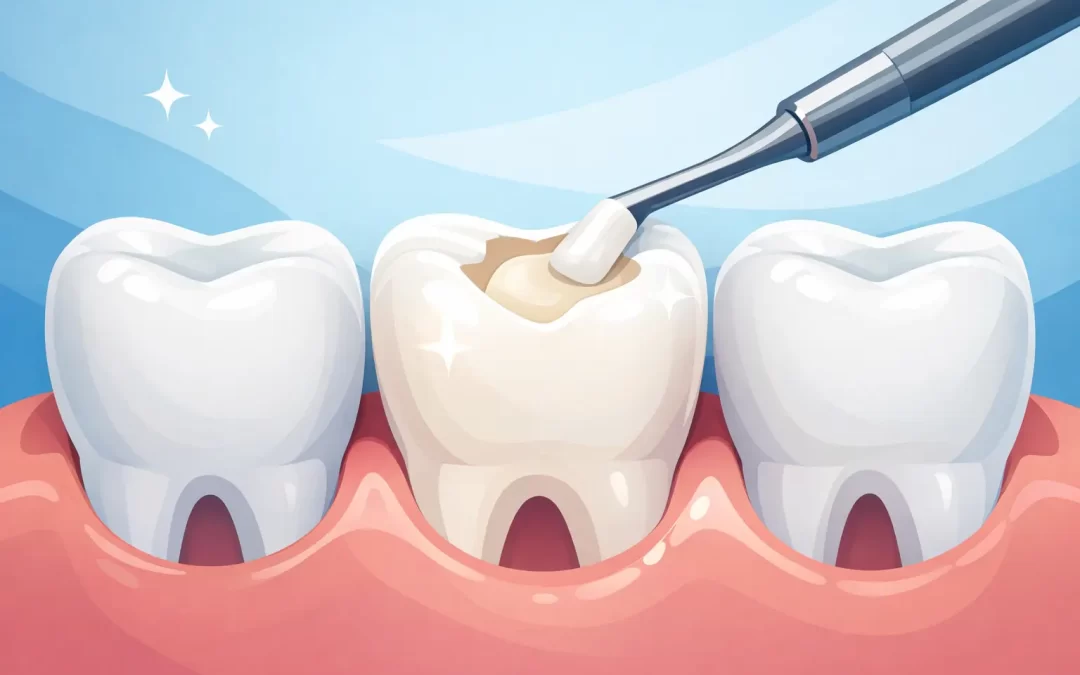
A small cavity can become a much bigger problem if it is left to progress. The good news is that modern tooth coloured fillings can repair a decayed, chipped or worn tooth while blending naturally with your smile. For many patients in Wyndham Vale, Tarneit and the wider western Melbourne area, this means getting the treatment they need without the obvious silver appearance they may remember from older fillings.
A filling is a routine dental treatment, but it should never feel rushed or impersonal. The right option depends on the tooth, the size and location of the damage, your bite and your long-term oral health. A careful assessment allows your dentist to preserve as much healthy tooth structure as possible and explain every step before treatment begins.
What are tooth coloured fillings?
Tooth coloured fillings are usually made from composite resin, a durable material that is matched to the shade of your natural teeth. Your dentist applies the resin in layers, shapes it to rebuild the tooth, then hardens it with a special curing light. The result is a smooth restoration designed to look and feel like part of your tooth.
They are commonly used to treat cavities, replace worn or visible older fillings, repair small chips and restore areas affected by minor tooth wear. Because composite can be bonded directly to the tooth, it often allows a conservative approach with less removal of healthy tooth material than some traditional restoration methods.
The aim is not simply to make a tooth look better. A properly placed filling seals the area, helps stop bacteria entering the tooth and restores a comfortable biting surface. This can make everyday things such as eating, speaking and smiling feel normal again.
Why patients choose tooth coloured fillings
For front teeth and visible areas of the smile, the cosmetic benefit is often the first thing patients notice. Composite resin can be selected and shaped to suit the surrounding enamel, so it is far less noticeable than a dark or metallic restoration.
Appearance is only one part of the decision. Tooth coloured fillings are also versatile, can usually be completed in one appointment and are suitable for many small to moderate areas of decay or damage. They can be an excellent option for children, adults and older patients when the tooth has enough remaining healthy structure.
They are not automatically the best answer for every tooth. A very large cavity, a fractured cusp or a heavily loaded back tooth may need a stronger, more extensive restoration such as an inlay, onlay or crown. If decay has reached the nerve, root canal treatment may be needed before the tooth can be rebuilt. Your dentist will recommend what protects the tooth over the long term, rather than simply choosing the quickest cosmetic fix.
Replacing old silver fillings
Some patients ask whether all amalgam fillings should be replaced. Not necessarily. If an older filling is intact, the tooth around it is healthy and there are no symptoms, monitoring may be more appropriate than replacing it straight away.
Replacement can be considered where a filling is cracked, leaking, worn, causing staining, has decay around its edges or no longer supports the tooth properly. It may also be chosen for cosmetic reasons. An examination and, where needed, an X-ray can show what is happening beneath and around the existing restoration.
What happens during a filling appointment?
Your comfort comes first. If you are feeling nervous, tell the dental team before treatment begins. Many people feel anxious because they have had an uncomfortable experience in the past, are worried about injections or have delayed care until a tooth starts hurting. Clear explanations and a gentle approach can make a real difference.
The appointment generally starts with an assessment of the tooth. Your dentist may take an X-ray to check how far decay has travelled and whether there are concerns between teeth or close to the nerve. The treatment plan, expected costs and suitable options should be discussed before proceeding.
The tooth and surrounding area are numbed when needed. Once you are comfortable, the dentist removes decay or damaged material and cleans the space carefully. Composite resin is then placed in small layers, hardened with a curing light and shaped to match your bite. Finally, the filling is polished so it feels smooth and natural.
Most people can return to normal activities soon after their appointment. Your mouth may stay numb for a few hours, so take care with hot drinks and avoid chewing your cheek, lip or tongue. It is sensible to wait until the numbness has worn off before eating a proper meal.
How long do tooth coloured fillings last?
There is no single lifespan for a filling. With good care, composite fillings can last for many years, but their durability is influenced by the size of the restoration, where it sits in the mouth, the force of your bite and your daily habits.
A small filling on a front tooth may experience very different pressure from a large filling on a molar used for chewing. Teeth grinding, clenching, chewing ice or hard lollies, frequent sugary snacks and poor plaque control can all reduce the life of a restoration. Regular dental examinations help identify small edge leaks, cracks or wear before they turn into a larger repair.
Good home care is straightforward: brush twice a day with fluoride toothpaste, clean between your teeth daily and keep regular check-ups and professional cleans. If you grind your teeth at night, a custom night guard may help protect both your natural teeth and your fillings.
Sensitivity after a filling: what is normal?
Mild sensitivity to cold, heat or pressure can happen for a short time after a filling, particularly if the cavity was deep. The tooth has been treated and may need time to settle. Using a toothpaste designed for sensitive teeth and avoiding very cold foods for a few days may help.
However, contact your dentist if pain is strong, gets worse, continues beyond a reasonable settling period, wakes you at night or occurs when you bite down. A filling can occasionally need a small bite adjustment, and ongoing pain may indicate that the decay was close to the nerve or that another issue needs attention.
It is also worth booking promptly if a filling feels rough, loose or cracked, or if food repeatedly catches around it. Early repair is usually simpler than waiting for the tooth to break further.
When a filling may not be enough
Fillings work best when there is enough sound tooth remaining to support them. If a tooth has a major crack, extensive decay or a very large old restoration, placing another large filling may leave it vulnerable to fracture. In these situations, a crown or other protective restoration may provide a more reliable outcome.
This is why a personalised recommendation matters. Two teeth can look similar in the mirror but need different treatment once their structure, bite and X-ray findings are considered. A good treatment plan weighs appearance, strength, comfort, longevity and cost, then gives you the information to decide with confidence.
Gentle local care for damaged teeth
Dental problems rarely arrive at a convenient time. A chipped tooth before a family event, sudden pain during the working week or a filling that breaks while eating can all feel stressful. Prompt assessment can relieve discomfort and prevent a small issue from becoming a more complex treatment.
At 32 Pearls Dental Surgery, patients can discuss restorative options in a calm, patient-centred setting, with a focus on gentle precision and clear treatment planning. If you are concerned about a cavity, an old filling or a tooth that feels different when you bite, booking an examination is a practical first step. Early care can often keep the repair smaller, more comfortable and easier on your budget.
