
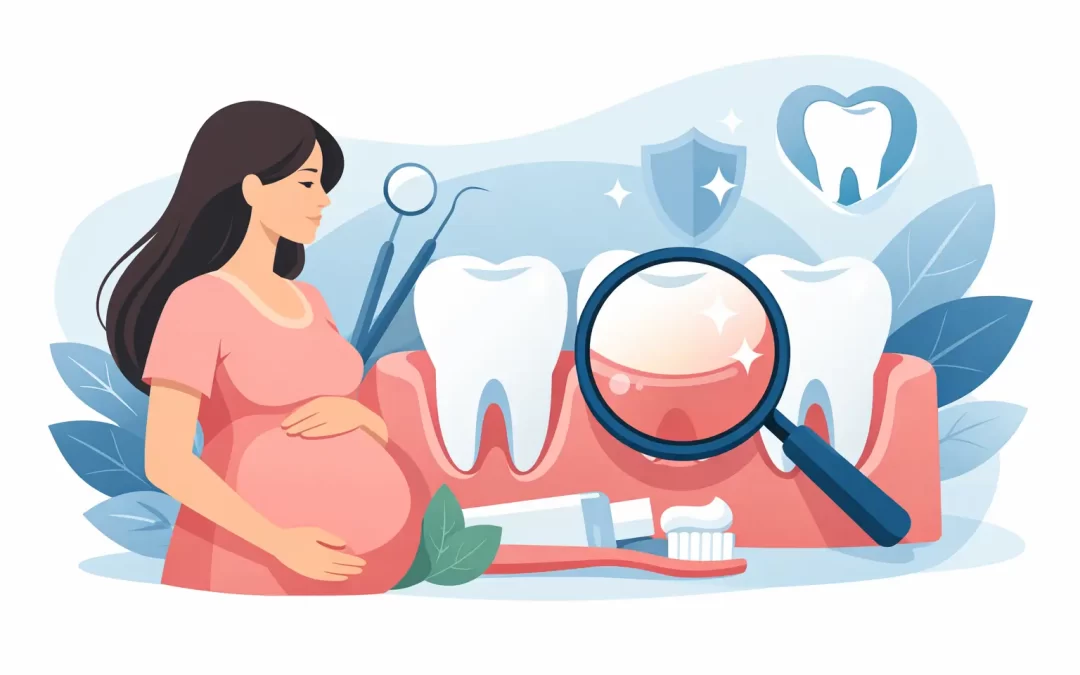
A tender or bleeding gum line can be an unsettling surprise when you are already managing nausea, fatigue and a growing list of appointments. Pregnancy dental care is a practical part of looking after your overall health, not an extra task to put off until after your baby arrives. A check-up gives you clear advice, early treatment where needed and reassurance about what is safe for you and your baby.
Why pregnancy can affect your teeth and gums
Hormonal changes during pregnancy can make gums more reactive to plaque, the sticky bacterial film that forms on teeth each day. This may lead to pregnancy gingivitis, with redness, swelling, tenderness or bleeding when you brush or floss. Some people notice these changes early, while others experience them later in pregnancy.
Bleeding gums are common, but they should not be ignored. Gum inflammation can become more uncomfortable if plaque and tartar build up, and existing gum disease may need closer care. A professional clean, along with personalised home-care advice, can help keep your mouth healthier and more comfortable.
Pregnancy can also change everyday routines in ways that affect teeth. Frequent snacking, cravings for sweet foods, dry mouth and tiredness at the end of the day can make brushing less consistent. Morning sickness brings another challenge: repeated exposure to stomach acid can soften tooth enamel and raise the risk of erosion.
None of this means you have done anything wrong. It simply means your mouth may need a little more attention during this stage of life.
Pregnancy dental care: when to book
If you are pregnant, let your dentist know when you make the appointment and again when you arrive. Share how far along you are, any health conditions you have, the medicines or supplements you take, and whether your pregnancy care team has raised any concerns. This information helps your dentist plan care around your individual needs.
A routine examination and clean can usually be arranged at any stage of pregnancy. For planned treatment that is not urgent, the second trimester is often a comfortable time for many patients. By then, early nausea may have eased and lying back in the dental chair is generally easier than it can be later in pregnancy.
That said, timing depends on the treatment and your circumstances. Toothache, swelling, a broken tooth, an infection or ongoing gum bleeding should be assessed promptly, rather than waiting for a more convenient trimester. Dental infection and unmanaged pain can be harder on you than appropriate treatment.
Later in pregnancy, shorter appointments, a supportive position in the chair and regular comfort breaks can make visits more manageable. If you feel dizzy, nauseous or uncomfortable at any point, tell the team straight away.
What dental treatment is safe during pregnancy?
Your dentist will recommend treatment based on what you need, how urgent it is and your stage of pregnancy. Preventive care such as examinations, cleans and treatment for gum inflammation is commonly appropriate. Necessary treatment for decay, infection, a damaged filling or a painful tooth may also be recommended during pregnancy.
If an X-ray is needed to diagnose a serious problem or plan essential care, dental X-rays can be taken with appropriate protective measures and modern low-dose equipment. Your dentist will only take images when the clinical benefit is clear. Delaying diagnosis of a dental infection simply because you are pregnant is not always the safest choice.
Local anaesthetic can be used where clinically required, and your dentist will select options suitable for your situation. If you need antibiotics, pain relief or more complex treatment, they may work with your GP, obstetrician or maternity care provider as appropriate. Always check before taking any medicine, including over-the-counter products and herbal remedies.
Elective cosmetic procedures are often best left until after pregnancy. The same can apply to treatment that is not causing pain or affecting your oral health. Your dentist can explain what can wait and what should be managed now, without pressure.
Protecting teeth when morning sickness strikes
Brushing immediately after vomiting can rub acid into softened enamel. Instead, rinse your mouth gently with water, then wait around 30 minutes before brushing. This gives your saliva time to help rebalance the mouth.
For extra protection, use a soft toothbrush and fluoride toothpaste twice a day. If the taste of toothpaste triggers nausea, try brushing at a different time of day, using a smaller amount, or choosing a mild-flavoured toothpaste that still contains fluoride. Spitting out toothpaste without rinsing heavily can leave a small amount of fluoride on the teeth.
Frequent small meals may be necessary for nausea, but constant grazing on sweet or acidic foods can increase the risk of tooth decay. Where possible, choose tooth-friendly snacks such as cheese, yoghurt, nuts, vegetables or plain crackers, and drink water regularly. Keep sugary drinks and juices to mealtimes rather than sipping over long periods.
If reflux is a problem, mention it at your appointment. Your dentist may see early signs of enamel wear and can recommend ways to protect vulnerable areas.
Signs you should not wait on
Some dental concerns need prompt attention during pregnancy. Contact a dentist if you have severe or persistent toothache, facial swelling, a gum abscess, pus, fever, a broken tooth causing pain, or bleeding that is heavy or does not settle. These symptoms can point to infection or another issue that needs assessment.
Also arrange a visit if gums bleed regularly, brushing hurts, you have persistent bad breath, a loose tooth, or you notice a lump on your gums. Pregnancy-related gum changes are common, but a dental examination can confirm what is happening and provide the right care.
If you have swelling affecting breathing or swallowing, seek urgent medical help. Do not try to manage a significant dental infection at home with leftover medication or by waiting for it to pass.
Make your appointment more comfortable
A little planning can make dental visits easier when you are pregnant. Choose a time of day when nausea and fatigue tend to be lower, have a light meal beforehand if that helps you, and bring water. Wear comfortable clothing and let the team know if you need more frequent breaks.
Dental anxiety is common, particularly when pregnancy has made you feel more sensitive or tired than usual. You deserve clear explanations and gentle care. Ask what will happen before treatment starts, agree on a signal if you need to pause, and discuss any previous difficult dental experiences. A good appointment should feel collaborative, not rushed.
At 32 Pearls Dental Surgery, pregnancy appointments can be tailored around comfort, with a focus on gentle, personalised care and straightforward guidance for the months ahead.
Keep care going after baby arrives
It is easy for your own appointments to slip down the list once your baby is here. If treatment has been postponed, book a follow-up when you are ready. Continue brushing twice daily with fluoride toothpaste, clean between your teeth every day and keep regular check-ups based on your dentist’s advice.
Looking after your mouth during pregnancy is one small way to protect your comfort while a lot is changing. If something feels different, painful or worrying, a calm conversation with your dental team can give you the answers and support you need.
