
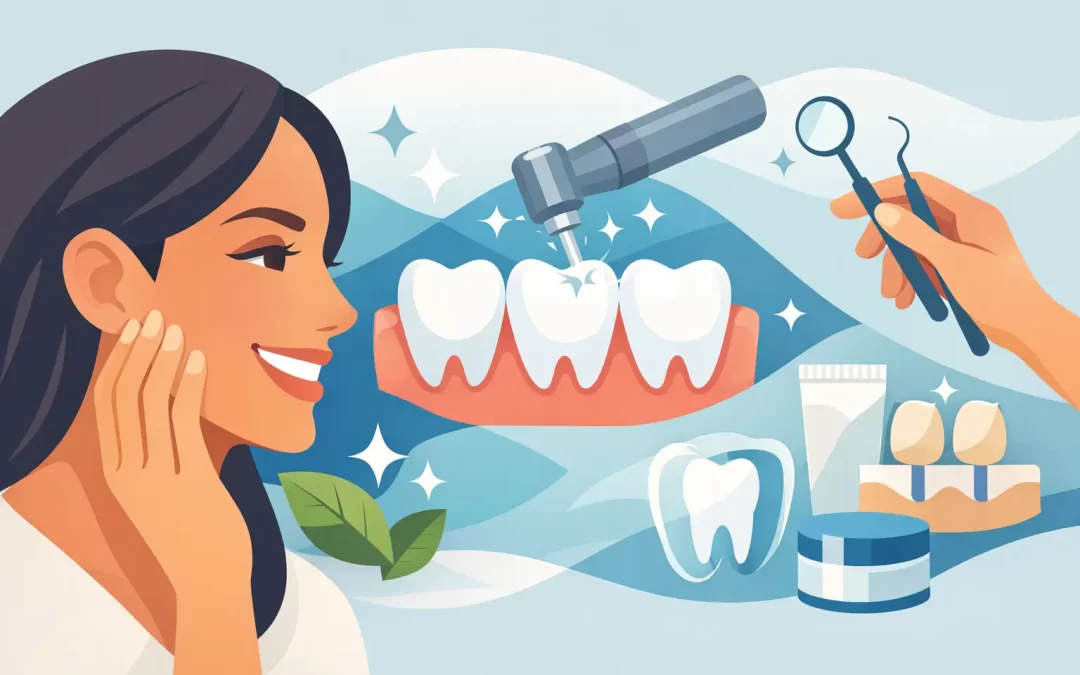
A smile concern can be surprisingly specific. Perhaps one front tooth is darker than the others, a chipped edge catches your eye in photos, or you cover your teeth when you laugh. Cosmetic dentistry is not about creating a copy-and-paste smile. It is about making thoughtful changes that suit your face, your teeth and the way you want to feel every day.
For patients across Wyndham Vale, Tarneit and Melbourne’s western suburbs, the best cosmetic dental result is usually one that looks healthy, balanced and genuinely yours. A personalised consultation gives you time to explain what you would like to change, understand the options available and decide on treatment without pressure.
What cosmetic dentistry can help improve
Cosmetic dentistry focuses on the appearance of your teeth and smile, but appearance and oral health often go together. A worn or chipped tooth may need protection as well as reshaping. Teeth affected by staining, old fillings or gaps can sometimes be improved with conservative treatment that also supports comfortable chewing and cleaning.
The right option depends on the concern, the condition of your teeth and gums, your budget, and how permanent you want the change to be. Some treatments are completed in one appointment, while others involve a carefully planned process over several months.
Common concerns include tooth discolouration, chips and cracks, uneven edges, small gaps, misshapen teeth, worn enamel, old visible fillings and crooked or crowded teeth. During an assessment, your dentist will also check for decay, gum inflammation, bite issues and teeth grinding. Cosmetic work should sit on a healthy foundation, not hide a problem that needs care first.
Cosmetic dentistry treatments to consider
Professional teeth whitening
Teeth can darken over time from coffee, tea, red wine, smoking, certain medications and natural ageing. Professional whitening can brighten many types of external staining and is often a simple first step for someone who wants a fresher-looking smile.
Whitening is not the same as changing the colour of crowns, veneers, fillings or dentures. If you have visible dental work, your dentist can discuss whether whitening first and matching any replacement restorations later will give a more even result. Some people experience temporary sensitivity, particularly if their teeth are already sensitive, but this can often be managed with an adjusted treatment plan.
Composite bonding
Composite bonding uses tooth-coloured resin to repair small chips, soften uneven edges, close minor gaps or improve the shape of a tooth. It is generally a more conservative option because little or no natural tooth structure may need to be removed.
Bonding can look very natural when colour and shape are carefully matched. It does, however, need ongoing care. Composite can stain, chip or wear over time, especially for people who bite their nails, chew ice or grind their teeth. Regular check-ups and occasional polishing or repair help keep it looking its best.
Porcelain veneers
Veneers are thin custom-made shells that cover the front surface of teeth. They may be considered when teeth have more noticeable discolouration, shape differences, wear, chips or gaps that cannot be predictably improved with whitening or bonding alone.
Porcelain is highly stain-resistant and can deliver a refined, durable result. The trade-off is that veneers are a significant long-term decision. In many cases, a small amount of enamel is adjusted to make room for the veneer, and future replacement may eventually be needed. Your dentist should explain how much tooth preparation is likely, show you the expected shape and shade, and discuss alternatives before you proceed.
Crowns for damaged or heavily worn teeth
A dental crown covers and protects the whole visible portion of a tooth. While crowns are often restorative rather than purely cosmetic, they can be an excellent option when a tooth is heavily filled, cracked, root canal treated or badly worn and also affects the appearance of your smile.
Modern crown materials can be selected for strength and natural-looking colour. The best material for a front tooth may differ from the best choice for a back tooth that takes greater biting pressure. Good planning considers both appearance and how your bite functions.
Invisalign and orthodontic treatment
If tooth position is the main issue, straightening teeth may offer a more conservative route to a balanced smile than placing veneers over crowded or rotated teeth. Invisalign clear aligners and other orthodontic treatments can improve spacing, crowding and bite alignment through gradual tooth movement.
Aligners are popular with many adults because they are discreet and removable for meals and brushing. They still require commitment: aligners need to be worn as directed, and treatment time varies according to the complexity of your teeth and bite. Retainers are essential after treatment to help protect the result.
A natural result starts with careful planning
The most attractive smiles are rarely the brightest or most perfectly symmetrical. Natural teeth have subtle differences in colour, texture and shape. A skilled cosmetic approach respects those details rather than making every tooth look identical.
Your consultation should begin with what you notice about your smile and what matters most to you. You may want a small improvement before a wedding, job interview or milestone event. Or you may be considering a longer-term plan after years of feeling self-conscious. Photographs, digital imaging and a close assessment of your teeth, gums and facial proportions can help guide the conversation.
It is also worth discussing your lifestyle. If you play contact sport, a protective mouthguard may be recommended. If you clench or grind your teeth at night, a custom splint can help protect veneers, bonding, crowns and natural enamel. If you smoke or regularly consume strongly coloured drinks, you may need to factor in more frequent maintenance.
There is no single ‘best’ cosmetic treatment. The right choice is the one that protects your oral health, meets your expectations and is manageable for your circumstances.
Comfort matters throughout treatment
Feeling nervous about dental treatment is common, even when the appointment is for a smile improvement you have wanted for years. You should never feel rushed or embarrassed about asking questions, requesting a break or sharing past experiences that have made dental visits difficult.
A gentle approach, clear explanations and modern technology can make a real difference to comfort. At 32 Pearls Dental Surgery, treatment planning is tailored to the individual, with options explained clearly so you can make an informed decision at your own pace. For some patients, staging treatment over several visits can also make the process more comfortable financially and emotionally.
Before choosing any cosmetic procedure, ask how long the result is expected to last, what maintenance it will need, whether it can be repaired, and what happens if a tooth changes over time. These are practical questions, not difficult ones, and clear answers help you plan confidently.
Looking after your new smile
Cosmetic dental work still relies on everyday oral care. Brush twice daily with fluoride toothpaste, clean between your teeth each day, and attend regular dental examinations and cleans. This helps protect the gums and natural tooth structure around veneers, crowns, bonding and fillings.
Try not to use your teeth as tools for opening packaging or cutting thread. Limit habits that can chip restorations, such as chewing pens, ice or hard lollies. With whitening, reducing frequent exposure to tea, coffee and other staining drinks can help maintain brightness. A straw may help with cold drinks, although water remains the kindest everyday choice for teeth.
Your smile does not need to be flawless to be beautiful. It needs to feel like it belongs to you. If there is one change you have been thinking about for a long time, a calm, professional consultation can turn uncertainty into a clear next step.
