
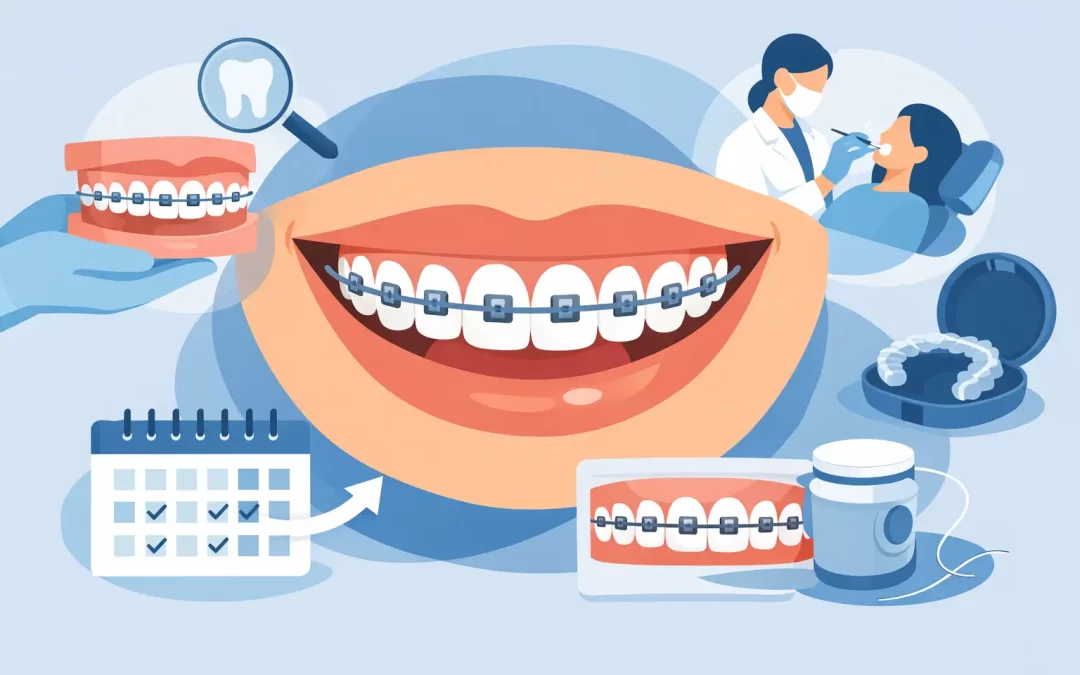
A crooked tooth, a noticeable gap or a bite that does not feel quite right can affect far more than photos. Braces gradually guide teeth into healthier positions, helping many children, teens and adults feel more confident when they smile, speak and eat. The process is carefully planned, and with the right support, it can be much more comfortable and manageable than people expect.
Why braces can be about more than a straighter smile
A well-aligned smile can make cleaning easier because there are fewer tight, overlapping spaces where plaque and food can remain. For some patients, orthodontic treatment may also help improve bite concerns, such as teeth that protrude, cross over, do not meet properly or place uneven pressure on the jaw.
That does not mean every uneven tooth needs treatment. Some concerns are mainly cosmetic, while others may affect everyday function or long-term oral health. A personalised assessment is the best way to understand what is happening in your mouth and whether treatment is likely to help.
For parents, an early orthodontic check can be useful even when adult teeth are still coming through. It allows a dentist to monitor jaw development, crowding and the way permanent teeth are erupting. Early checks do not always lead to early treatment, but they can help identify the right time to act.
How braces treatment is planned
Orthodontic care should never be one-size-fits-all. Your first consultation usually involves discussing what you would like to change, reviewing your dental and medical history, and checking the health of your teeth and gums. Photographs, digital scans, X-rays and bite records may be used to build a clear picture of tooth position and jaw relationships.
Before braces are fitted, existing issues such as tooth decay or active gum disease need to be addressed. Moving teeth through unhealthy gums is not a good foundation for treatment. This stage also gives you an opportunity to ask practical questions about timing, costs, payment arrangements and how treatment may fit around school, work, sport or family life.
Your clinician can then explain the likely approach, including the type of appliance that suits your needs, expected treatment length and whether any teeth require extra space to move. Some cases are straightforward. Others involve more complex bite correction and need closer planning. Being clear about the goal from the start helps set realistic expectations.
Types of braces and orthodontic options
Traditional fixed braces use small brackets bonded to the teeth and a wire that applies gentle, controlled pressure. They are highly effective for a wide range of alignment and bite concerns, particularly where teeth need more precise movement. Modern brackets are smaller and more discreet than many people remember.
Metal braces are durable and often a practical option for younger patients. Ceramic braces can be less noticeable because their brackets blend more closely with the natural tooth colour, although they may need extra care to avoid staining around the brackets.
Clear removable aligners, including Invisalign, can suit some people who prefer a more discreet option and can reliably wear the trays for the recommended hours each day. They are removed for meals and brushing, which many adults find convenient. However, they rely on consistent wear and may not be the best choice for every bite or tooth movement.
There is no universally “best” orthodontic treatment. Fixed braces offer constant treatment without relying on daily tray wear, while aligners offer removability and a lower-profile appearance. The best option depends on your teeth, bite, lifestyle, treatment goals and commitment to care.
What fitting braces feels like
Having braces fitted is generally not painful. The appointment involves cleaning and preparing the tooth surfaces, attaching brackets and placing the wire. You may feel that your teeth are being worked on, but the procedure itself is usually comfortable.
The first few days afterwards can feel different. Teeth may be tender when biting, and your lips or cheeks may need time to adjust to the brackets. Soft foods such as yoghurt, eggs, soup, pasta and cooked vegetables can make those early days easier. Orthodontic wax can also protect a spot that rubs while your mouth adapts.
After adjustment appointments, it is common to notice pressure or mild sensitivity again for a short period. This is a sign that the teeth are responding to gentle force, not that something has gone wrong. If discomfort is severe, persistent or accompanied by swelling, contact your dental team for advice rather than trying to manage it alone.
Everyday care while wearing braces
The quality of your result depends partly on what happens between appointments. Brackets and wires create extra places for plaque to collect, so careful cleaning is essential. Brush thoroughly around every bracket and along the gumline at least twice a day with fluoride toothpaste. An interdental brush can help clean between the wire and teeth, where a regular toothbrush may miss.
Flossing can take more time with fixed appliances, but it remains worthwhile. Floss threaders, orthodontic floss or a water flosser may make your routine easier. Your dental team can demonstrate techniques and recommend tools that suit your mouth.
Food choices matter as well. Hard foods, sticky lollies and chewing ice can loosen brackets or bend wires. It is usually best to cut firm foods, such as apples or crusty bread, into smaller pieces rather than biting directly into them. Sugary snacks and soft drinks also increase the risk of decay and permanent white marks around brackets, especially when cleaning is rushed.
Regular dental examinations and professional cleans remain important during orthodontic treatment. Healthy gums support healthy tooth movement. At 32 Pearls Dental Surgery, treatment planning can be coordinated with preventive care so patients and families can feel supported throughout their orthodontic journey.
How long do braces take to work?
Treatment time varies. Many people wear braces for around 12 to 24 months, but simpler alignment concerns may take less time and more complex bite corrections can take longer. The starting position of your teeth, jaw growth, the type of movement required and attendance at review appointments all influence the timeline.
Following instructions can make a real difference. This may include wearing elastics as directed, avoiding foods that damage appliances and attending scheduled adjustments. Missed appointments or broken brackets can delay progress because treatment forces may not be working as planned.
It is also normal for teeth to look as though they are moving unevenly at times. Orthodontic treatment is a sequence, not a straight line. Your clinician is working towards the final bite and smile, which can require certain teeth to move before others settle into place.
Retainers protect the result you have worked for
Braces coming off is an exciting milestone, but it is not quite the end of treatment. Teeth have a natural tendency to shift after they have been moved. Retainers hold them in their corrected positions while the surrounding bone and tissues adapt.
Some retainers are clear and removable, while others are a fine wire fixed behind the front teeth. Your clinician will recommend the most suitable option and explain when to wear it. Retainer wear is often long-term, particularly at night. Looking after it carefully is one of the simplest ways to protect the time, effort and investment that went into your new smile.
When to call your dental team
A loose bracket, poking wire or lost elastic can be uncomfortable, but it is usually not a reason to panic. Do not pull or cut wires yourself. Use orthodontic wax if appropriate, keep the area clean and contact the clinic for guidance. If you experience facial swelling, significant pain, trauma to the teeth or signs of infection, seek prompt dental advice.
Braces are a commitment, but they do not have to take over your life. With a personalised plan, gentle professional care and a steady home routine, each adjustment brings you closer to a smile that feels comfortable, healthy and genuinely your own.
