
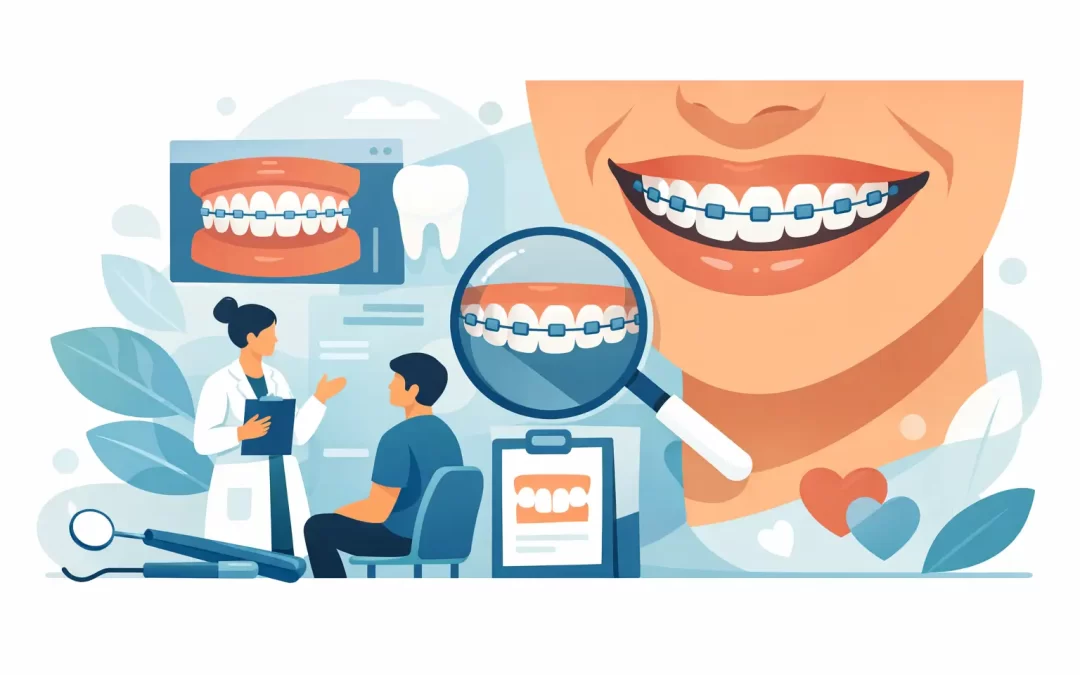
A crowded lower tooth that catches food, a gap that has always bothered you in photos, or a child whose adult teeth are coming through unevenly can be more than a cosmetic concern. With braces – get a free assessment to understand what is happening in your mouth and whether orthodontic treatment could be the right next step. It is a relaxed opportunity to ask questions, share your goals and receive clear, personalised advice before making any decisions.
For families across Wyndham Vale, Tarneit, Manor Lakes, Werribee and the western Melbourne corridor, early guidance can make orthodontic care feel far more manageable. Whether treatment is for your child, teenager or yourself, the aim is not to rush you into braces. It is to help you make a confident, informed choice about your smile and oral health.
Why a braces assessment is worth booking
Teeth do not need to look dramatically crooked for an orthodontic assessment to be useful. Bite concerns can be less obvious: upper teeth may sit too far forward, lower teeth may bite in front of upper teeth, or teeth may not meet properly when you close your mouth. Crowding can also make brushing and flossing harder, allowing plaque to build up around areas that are difficult to reach.
A free assessment gives you a practical starting point. Your dentist can look at tooth alignment, bite position, jaw development and the health of your teeth and gums. You can explain what concerns you most, whether that is appearance, comfort when chewing, speech, cleaning between teeth or your child’s developing bite.
For many people, the most reassuring outcome is simply clarity. You may be ready to begin treatment, or you may be advised that it is better to monitor development for a while. Neither answer is a wasted appointment. The right timing can make a meaningful difference to the type and length of treatment recommended.
Braces – get a free assessment with clear answers
An orthodontic consultation should feel straightforward, not overwhelming. At 32 Pearls Dental Surgery, the conversation is centred on your needs, your comfort and the outcome you hope to achieve. If you feel nervous about dental appointments, let the team know. Gentle, respectful care and clear explanations can make the experience much easier.
During an assessment, your dentist may examine how your teeth fit together, assess crowding or spacing and check the condition of the gums and enamel. Depending on your situation, photographs, digital scans or X-rays may be recommended to plan treatment accurately. If further records are needed, the team will explain why, what they involve and any associated costs before proceeding.
You will also have time to talk through the practical side of treatment. That includes how braces work, likely treatment duration, cleaning requirements, appointment frequency and whether fixed braces or clear aligners may suit your goals. Every smile is different, so a friend’s treatment plan or timeline may not be the right guide for yours.
Is it better to start braces early?
For children, an assessment is often worthwhile once permanent teeth begin to appear, particularly if there is obvious crowding, protruding front teeth, difficulty biting or a family history of orthodontic concerns. Some younger patients benefit from early intervention, while others are best reviewed periodically until more adult teeth have erupted.
Starting too early is not always necessary. In some cases, waiting allows the dentist to see how the teeth and jaws develop naturally, which may simplify later treatment. The benefit of an early assessment is that you can monitor changes with professional guidance rather than guessing.
Teenagers are common candidates for braces because most permanent teeth are in place and jaw growth may still be occurring. Adults can also achieve excellent results. Adult orthodontic treatment may require a little more planning where there are existing crowns, gum concerns, missing teeth or previous dental work, but age alone does not rule braces out.
Choosing between braces and clear aligners
Fixed braces remain a reliable option for correcting a wide range of alignment and bite concerns. Brackets are attached to the teeth and connected by an orthodontic wire, which is adjusted gradually to guide teeth into better positions. Because braces stay in place, they do not rely on remembering to wear them for a set number of hours each day.
Clear aligners can be appealing for adults and older teens who prefer a more discreet option. They are removable for meals and brushing, which can make daily cleaning simpler. However, they only work as planned when they are worn consistently, usually for most of the day and night. Removing them too often can slow progress and affect the final result.
The best option depends on the complexity of your bite, your lifestyle, the movements required and how comfortable you are with the routine involved. A personalised assessment helps avoid choosing a treatment simply because it worked for someone else.
What life with braces is really like
Modern orthodontic treatment is designed to be precise and as comfortable as possible. It is normal to notice pressure or tenderness for a few days after braces are fitted or adjusted. This usually settles as your mouth adapts. Your dental team can offer practical advice for managing minor discomfort and protecting cheeks or lips while you adjust.
Cleaning matters more than ever during treatment. Brackets and wires create small spaces where food and plaque can collect, so careful brushing around every tooth and along the gumline is essential. Interdental brushes and flossing aids can help clean areas a standard toothbrush may miss. Regular dental check-ups and professional cleans also support healthy gums throughout orthodontic treatment.
You may need to adjust a few food habits with fixed braces. Hard foods, sticky lollies and chewing ice can damage brackets or wires, leading to an unplanned repair visit. This is not about making life difficult. It is about helping treatment stay on track and protecting your teeth.
Planning for treatment costs without pressure
The cost of braces varies because no two treatment plans are identical. Factors such as the complexity of tooth movement, the appliance chosen, the expected treatment time and whether additional dental care is needed can all affect the overall fee. A proper plan should explain what is included, rather than leaving you unsure about the next step.
If braces are recommended, ask about the expected costs, payment schedule and available flexible payment arrangements. Interest-free payment plans and options such as Afterpay, Zip and Humm can help eligible patients spread payments over time. It is sensible to discuss your budget early, especially when more than one family member may need dental care.
Orthodontic treatment is an investment in more than straight teeth. A balanced bite may make cleaning easier, support comfortable chewing and reduce the chance of uneven wear on certain teeth. Cosmetic confidence can be just as valuable, particularly for people who have spent years hiding their smile.
Questions to bring to your assessment
You do not need to know the right dental terms before you arrive. It can help, however, to think about what you want to ask. You may want to know whether treatment is needed now or can wait, how long it is likely to take, what appliance is recommended and what results are realistic for your individual smile.
It is also reasonable to ask how often you will need appointments, what happens if a bracket breaks or an aligner is lost, and how treatment may affect school, work, sport or special occasions. Clear communication is part of good care, and you should never feel rushed when considering a treatment that takes place over many months.
A straight smile begins with a conversation, not a commitment. Book your free assessment, bring your questions and let an experienced local dental team help you understand the comfortable, practical path forward for you or your child.
