
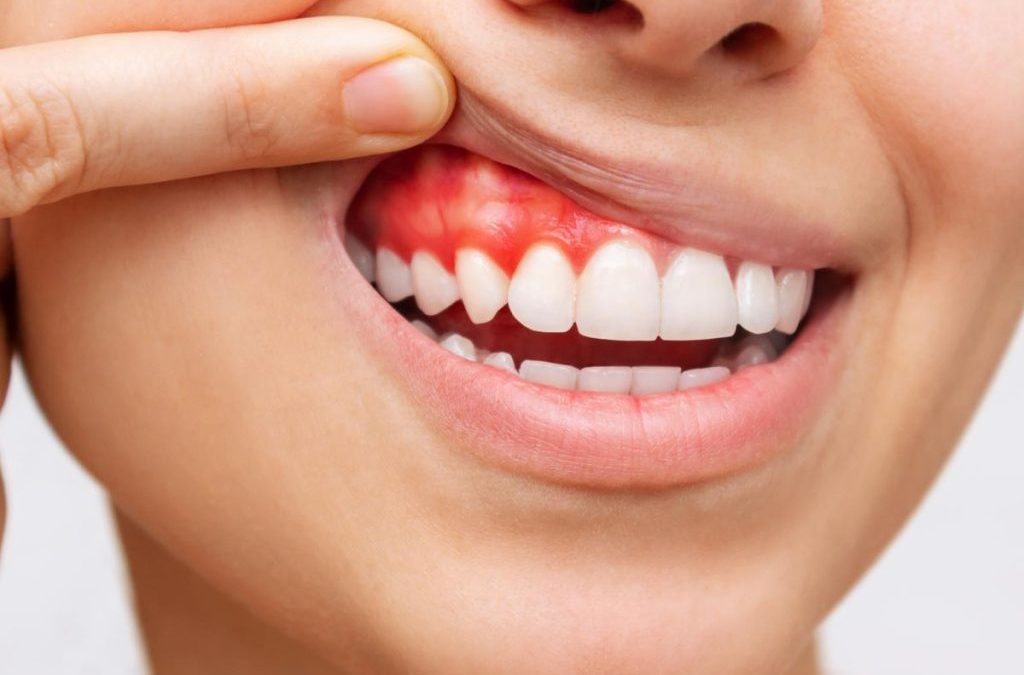
We at 32 Pearls Dental Surgery, we trust that knowing is the most important factor to maintain good dental health and a good oral hygiene routine. In keeping with that, this blog post is dedicated to a prevalent dental health issue: gum disease. Learning about the causes and its causes, signs as well as the available treatment options will significantly improve your dental well-being.
Gum diseases also known as periodontal disease, is a major problem that affects many Australians. It starts as gingivitis, an inflammation of the gums caused by plaque accumulation around the gumline as a result of poor cleaning of the teeth. If it is not treated, the gingivitis condition can escalate to more severe types of gum disease. It can also lead to the possibility of tooth loss as well as various health problems.
Types of Gum Diseases
Gingivitis: It is the first stage of gum disease. It is caused by plaque buildup along the gum line due to inadequate dental hygiene. Gingivitis usually manifests as swollen gums, which are red and are easily bleed when flossing or brushing. The smell of breath can be an indication. However, the good news is that the condition can be cured by professional and proper oral hygiene.
Periodontitis: If gingivitis remains untreated, it may progress to the stage of periodontitis. The most severe type of gum disease can affect the jawbones that support teeth. Apart from the symptoms associated with gingivitis, periodontitis could include receding gums and the development of deep pockets between gums and teeth and shifting or loose teeth, changes in the way teeth are positioned when chewing, and even tooth loss. Periodontitis needs immediate treatment by a dentist in order to stop further complications.
Aggressive Periodontitis: This kind of gum disease is seen on patients who are healthy, and generally begins in early adulthood or in the beginning of childhood. It’s characterised by rapid bone loss and loss of attachment, which is often family-related.
Chronic Periodontitis: It is the most frequent type of periodontitis. It is characterised by the slow progress of gum loss. The majority of cases occur in adult patients however, it can also develop at any age.
Necrotising Periodontal Disease: This gum disease is characterised by the loss (or necrosis) of the gum tissues, tooth ligaments and the supporting bone due to insufficient blood supply (ischemia), which results in an extreme disease. This is often the case in people who have a compromised immune system, such as HIV/AIDS, or some forms of cancer.
Dental examinations by a professional are the best method of identifying gum disease. Dentist Wyndham Vale or periodontists (specialists in gum disease) are able to evaluate your oral health and spot the signs of gum disease.
Keeping regular dental checks and practising good oral hygiene habits to reduce the risk of gum disease is vital. It includes cleaning your teeth two times a day regularly, flossing your teeth daily and seeing the dentist frequently for check-ups as well as cleanings.
Signs and Causes of Gum Disease
The most common reason for gum disease is the build-up of bacterial plaque. This is which is a sticky, colourless film that builds up around the teeth. If it is not eliminated by regular cleaning and flossing, plaque will harden, forming tartar and which can cause infection of the gum tissue. This is something we have discussed in more detail in our post “Reasons for Dental Checkups & Scale & Cleaning Are Important“.
Additional factors could contribute to the increased risk of developing gum disease. These include drinking alcohol or diabetes, hormonal fluctuations for women, specific medications as well as genetic predisposition and tension.
The signs of gum disease usually go unnoticed during the initial stages because they are usually not painful. But, swelling, redness or tender gums, constant poor breath, moving or loose teeth as well as changes to your bite are indications to watch out for.
Gum Disease Treatment Wyndham Vale
There are many treatments for gum disease, contingent on the severity
- Professional Dental Cleaning: In conjunction with your routine dental checkup, we perform a thorough cleaning, which includes the removal of tartar and plaque as well as helping to prevent or stop the progression of gum illness.
- Scaling and Root Planing: This is a surgical procedure that is deep-cleansing and non-surgical whenever gum disease is progressing beyond the initial stage. This procedure involves the removal of plaque and tartar off the surfaces of teeth and beneath the gum line. root planning smooths the roots, allowing the gums to connect to the teeth.
- Flap Surgery/Pocket Reduction Surgery: This surgery may be required for more serious cases. It involves lifting the gums back by removing tartar and, after that, securing the gums in their place, allowing them to be snug within the tooth.
- Bone and Tissue Grafts: If the tissue or bone that supports the teeth has been injured due to gum disease, then we could suggest grafts. The procedure involves replacing injured bone or damaged tissue and encouraging the body to rebuild these tissues.
- Guided Tissue Repair: This procedure is suggested in cases where the bone that supports the teeth has been damaged by severe gum disease that is severe. A mesh-like cloth is put between the gum tissue. This allows the connective tissue as well as bone to regenerate.
Sometimes, dental issues may become emergency situations. In these situations, you should contact your dentist near me or don’t hesitate to reach us.
We are 32 Pearls Dental Surgery, and we are committed to helping our patients to improve their lives. Gum cleaning service and maintain healthy smiles. Book an appointment with us for a consultation today and ensure that your smile stays healthy.
Frequently Asked Questions
In order to help you understand gum treatment in Wyndham Vale, we’ve put together several frequently asked questions:
Can gum disease lead to health issues?
Yes, research suggests that there is a connection to gum illness and diseases such as diabetes, heart disease as well as Alzheimer’s.
Can gum disease be reversed?
The early stages of gum disease (gingivitis) can be treated by maintaining a healthy oral hygiene routine as well as regular dental hygiene. Gum disease that is advanced (periodontitis) is manageable however it’s not entirely removed.
Can children get gum disease?
Children can develop an unintentional form of gum disease known as gingivitis. A good oral hygiene routine can keep this from happening.
What can I do if I have gum disease?
If you’re experiencing signs related to gum disease, you should make an appointment with 32 Pearls Dental Surgery. Our staff will evaluate your condition and suggest an appropriate treatment plan to you.
