
A crooked front tooth can make you think twice before smiling in a photo. A bite that feels uneven can make eating uncomfortable. When you are ready to straighten your teeth, the clear aligners versus braces decision usually comes down to more than appearance. It is about your lifestyle, the movements your teeth need, your comfort and the treatment plan most likely to give you a healthy, lasting result.
Both options can create beautifully aligned smiles for teens and adults across Wyndham Vale, Tarneit and Melbourne’s western suburbs. The right choice is personal, and a proper orthodontic assessment is the best place to start.
Clear aligners versus braces: the key difference
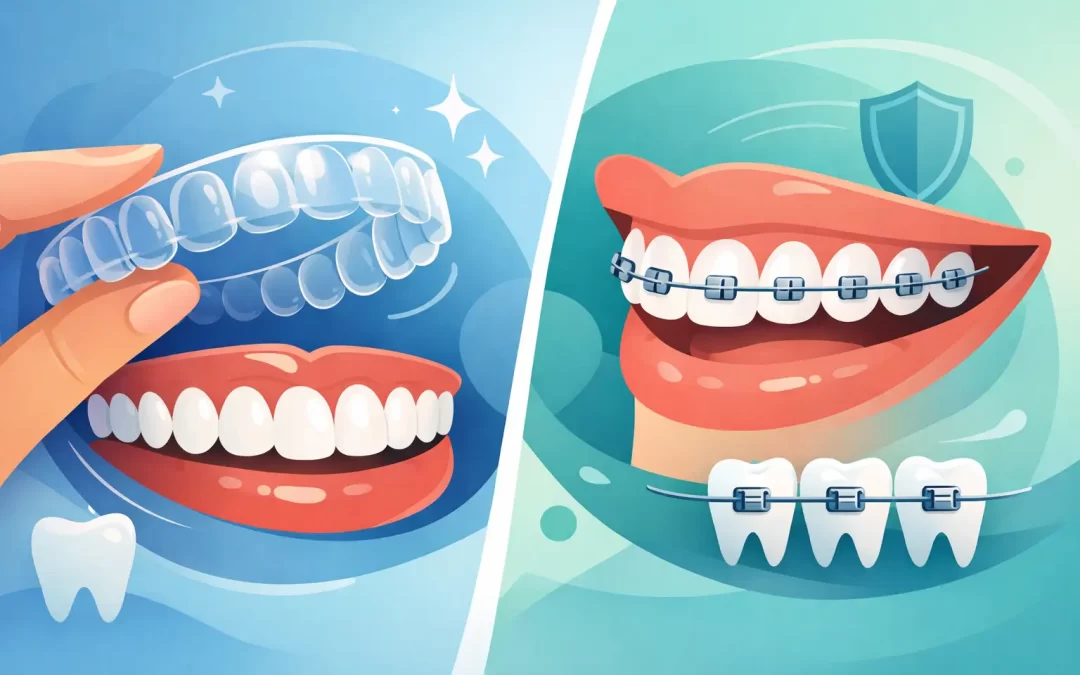
Clear aligners are custom-made, transparent trays that fit over your teeth. You wear each set in a planned sequence, gradually guiding teeth into their new positions. They are removable for meals, brushing and flossing, but need to be worn for around 20 to 22 hours each day to work as intended.
Braces use small brackets attached to the teeth and a wire that your dentist adjusts over time. Because they are fixed in place, they keep working around the clock without relying on you to remember to put them back in after lunch or sport.
Neither treatment is automatically better. Clear aligners can be an excellent solution for many mild to moderate alignment concerns and selected complex cases. Braces remain a highly precise, dependable option, particularly where teeth need more significant rotation, vertical movement or bite correction.
When clear aligners may suit you
Clear aligners are popular with working adults, older teens and anyone who would prefer a discreet orthodontic option. From a conversational distance, the trays are difficult to notice, which can make them feel more comfortable for people in customer-facing roles, school presentations or social settings.
The ability to remove aligners is a major practical benefit. You can take them out to eat without avoiding foods such as apples, corn on the cob or crunchy snacks. Brushing and flossing also stay closer to your usual routine, helping you keep plaque away from the teeth and gums during treatment.
They can be a good choice if you are organised and committed. Each tray change and daily wearing time matters. Leaving aligners out for several hours at a time, or repeatedly forgetting to wear them overnight, can slow progress and may affect the final result. For some patients, the freedom to remove them is helpful. For others, it becomes the biggest hurdle.
Clear aligners may help address spacing, crowding, relapsed movement after previous orthodontic treatment and certain bite concerns. Your dentist will assess the position of each tooth, your gums, jaw relationship and long-term smile goals before advising whether aligners are suitable.
When braces may be the better choice
Braces are visible, but modern treatment is far more refined than many adults remember from school. They offer consistent force and detailed control because they stay attached to the teeth. This is especially useful where there is substantial crowding, teeth that need to be moved vertically, more complex bite problems or movements that require careful root control.
For younger patients, braces can remove the daily responsibility of putting aligners back in. They may also be recommended where treatment depends on a level of consistency that removable trays cannot reliably provide.
Braces do require changes to eating habits. Hard, sticky and very chewy foods can damage brackets or wires, causing discomfort and unplanned repair appointments. Cleaning also takes more care, as food and plaque can collect around the brackets. With the right brushing technique, interdental brushes and regular dental visits, this is very manageable.
Some people worry that braces will be painful. It is more accurate to expect periods of pressure or tenderness, especially after they are fitted or adjusted. This typically settles within a few days. Your dental team can explain what to expect and how to stay comfortable.
Treatment time is not just about the appliance
It is natural to ask which option is faster. The honest answer is that treatment time depends on your teeth and bite, not simply whether you choose aligners or braces. Many cases take somewhere between 12 and 24 months, although straightforward movement may take less time and complex treatment can take longer.
With aligners, treatment can take longer if trays are not worn as prescribed. With braces, breakages and missed appointments may delay progress. In either case, regular reviews allow your dentist to check movement, make adjustments and protect your oral health along the way.
The final stage matters too. Teeth naturally have a tendency to shift over time. Retainers are usually needed after clear aligners or braces to hold your new smile in position. Wearing them as recommended is one of the most valuable things you can do for your result.
Comfort, confidence and daily routines
Clear aligners have smooth edges and no brackets or wires, so they may cause less irritation to the cheeks and lips. However, every new set can create temporary pressure as your teeth begin to move. You also need to remove the trays before drinking anything other than water, then clean your teeth or rinse before putting them back in where possible.
Braces can feel bulkier at first and may occasionally rub. Orthodontic wax can help while your mouth adjusts. They are always working, but they also mean spending a little more time cleaning around the brackets after meals.
If you play contact sport, both options need planning. A mouthguard is particularly important with braces. For clear aligner patients, your dentist can advise whether to remove aligners and wear a sports mouthguard, depending on the activity and your treatment plan. Musicians who play wind instruments, frequent snackers, and people who travel often may also have different preferences. These everyday details are worth discussing openly.
What about cost?
The cost of orthodontic treatment reflects the complexity of your case, the expected treatment length, records and planning, reviews, the type of appliance and whether additional procedures are required. Clear aligners and braces can fall into similar cost ranges, but this is not always the case. A quote without an examination cannot tell you which will offer better value for your needs.
Ask for a clear treatment estimate that explains what is included, such as appointments, attachments or adjustments, retainers and any refinement aligners if required. If budget is a concern, discuss payment options before treatment starts. Flexible arrangements can make it easier to plan for care without compromising on the quality of your assessment or ongoing support.
Your teeth and gums need to be ready first
Orthodontic treatment moves teeth through bone, so healthy gums and teeth are essential. Untreated decay, gum disease, active infection or poor oral hygiene should be managed before braces or aligners are started. This protects the foundation of your smile and reduces the risk of complications during treatment.
At 32 Pearls Dental Surgery, orthodontic recommendations are made as part of a personalised dental assessment. Your dentist can look beyond straightness alone, considering gum health, bite function, existing crowns or fillings, jaw comfort and the smile outcome you want.
Choosing with confidence
A clear tray can be the right fit for someone who wants discretion and can wear it consistently. Braces may be the stronger choice for a patient who needs complex tooth movement or prefers a fixed treatment option. Sometimes both can achieve a similar result, and your routine, budget and priorities will guide the decision.
The most helpful next step is not choosing from photos online. It is having your teeth, bite and goals assessed by a dental professional who can explain the options in plain language. A well-planned treatment should leave you feeling informed, comfortable and excited to smile more often.
