
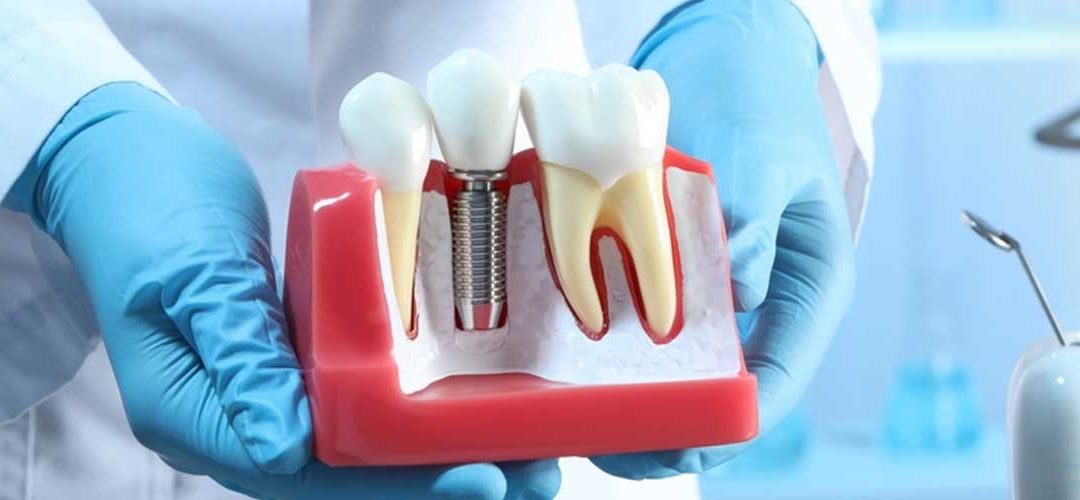
The loss of a tooth could affect more than your smile. It could make chewing difficult or alter how the teeth around them sit and eventually affect the jawbone with time. Dental implants are among the most durable long-term options to restore missing teeth however, they’re not the best choice to everyone right away.
So, are you a candidate for dental implants?
It all depends on the elements that your dentist can examine during a visit. This article explains the factors that affect dental implant compatibility and the best way to proceed in case you’re not sure if implants will be the right choice for you.
What Qualifies a Person to be an Ideal Candidate for Dental Implants?
Dental implants are tiny titanium pieces that are implanted into the jawbone in order to substitute for a tooth root. A crown is then placed onto the implant to repair the visible aspect of the teeth. Since the implant is directly bonded to the bone, it works similarly to a natural tooth.
In order for this procedure to be effective for this procedure, jawbones and other tissues must be in good shape. The majority of the time, the criteria for the ideal implant candidate come from these aspects:
- Overall good health
- Healthy gums without active gum disease
- Bone density that is sufficient in the jaw
- Completely developed jawbones (typically older than 18 years old)
- A smoker who is not a smoker, or is willing to give up smoking during the period of the treatment
- A commitment to maintaining good oral hygiene as well as regular dental examinations
The fulfilment of these requirements does not necessarily mean that you are able to use the implant. An accurate assessment of the dental implant is required at all times it is a good start.
Important Factors That Affect Dental Implant Eligibility
Bone Density as well as Jaw Structure
The density of the bone in dental implants is one of the most important factors to consider in the evaluation process. The post for the implant requires adequate, healthy bone so that it can be anchored into and fuse to as time passes.
In the event that a tooth has been missing, the jawbone that is in the area may begin to shrink. The more time a tooth has been absent, the more the loss of bone could have taken place. In certain cases the need for a bone graft could be necessary to rebuild the affected area prior to implant placement will be able to begin. The dentist will evaluate bone density using X-rays or a 3D scan at your appointment.
Gum Health
Gum disease that is active is one of the main reasons why people do not have the right health to receive dental implants. Gum disease causes the breakdown of bone and tissue that support teeth. This can influence how well an implant is integrated into the jaw.
It is good to know that gum illness is often treated initially. After gum health for implants is restored by the deep dental cleansing in Werribee or any other treatments for gums, a lot of patients are deemed suitable for implants. The dentist is always assessing the health of your gums in the course of your dental implant appointment.
General Health and Medical History
Certain conditions of health and medication may affect the suitability of dental implants. This could include:
- Controlled diabetes
- Medicines to thin blood
- An era of radiation therapy for the jaw
- Osteoporosis and other diseases that affect bone density
It is not a way to exclude implants. Certain conditions may be controlled with the help of your dentist. Your dentist is able to work together with you (and your physician if necessary) to determine the most secure way forward.
Being honest about all of your medical history at your initial dental implant consultation appointment is crucial.
Smoking
Smoking decreases blood flow and can slow the healing process. This could affect the ability of implants to fuse correctly with bone. Smokers aren’t necessarily excluded as the ideal candidate for a dental implant, but smoking reduces the chances of long-term success. The majority of dentists advise stopping smoking cigarettes prior to and during the procedure.
What If You Are Not Immediately Eligible?
If you are not able to be a candidate right away, it isn’t a sign that implants should be removed from the table. There are several steps to assist patients to become more suitable, such as:
- Bone Grafting: Used to repair regions of loss of bone prior to the placement.
- Treatment for Gum Disease: in order to restore and stabilise gum health
- Management of Medical Conditions: Stabilising ailments that could affect healing
- Stopping Smoking: is a way to increase the flow of blood to heal and improve results
Following these steps, a second dental implant examination can determine the readiness to go ahead.
If implants prove not the best choice for your particular situation for any reason, your dentist will be able to guide you through different dental replacement options. This could include dental bridges or dentures, both of which are able to help restore appearance and function.
What Happens During an Implant Consultation?
An assessment of a tooth implant by an implant dentist usually will include:
- Review of your dental and medical past
- Examine your teeth, gums, and bite
- 3D scans or X-rays to determine the jaw’s structure and bone density
- An explanation of your objectives as well as the expected timeframe for treatment. expenses for treatment
Find Yourself if You’re an Eligible Candidate to receive Dental Implants in Wyndham Vale
If you’re missing a tooth and are wondering whether dental implants might be the right choice for you, the most beneficial first step is to conduct a thorough evaluation. The suitability of dental implants can’t be verified with a medical examination, and each patient’s case will be different.
We are a team from Dentist Near Me Wyndham Vale that can provide gap-free implant consultations for all patients in Wyndham Vale. We’ll walk you through your options for dental implants with clarity and free of pressure so you are able to make an informed choice about your dental health.
Contact us at 03-8742-3338 or schedule your appointment for an implant online now.
Commonly Asked Questions
What is the ideal implant candidate?
The ideal dentist is typically an active adult who has several missing teeth as well as healthy gums. enough bone density in the jaw for support of the post of the implant. Age isn’t the only issue, and older individuals are still ideal candidates if their general dental health and jawbone structure is appropriate.
An examination of the tooth implant by dental professionals is the best method to determine if dental implants would be suitable for you.
What can disqualify someone from getting dental implants?
Some factors that can impact the eligibility of dental implants include gum disease in active form, inadequate bone mass, or uncontrolled diseases like diabetes, some medications, and smoking cigarettes for a long time. But the majority of problems are addressed with preparatory treatments.
It’s worth talking about your complete medical history with an implant-consulting dentist prior to assuming that you’re not an ideal candidate for dental implant surgery.
How crucial is the density of bone to support dental implant?
The density of the bone for dental implants is among the key factors that determine the evaluation. Implants require healthy bone for it to be able to hold securely and to integrate with time. If there has been a loss of bone that is usually the result of the removal of a tooth, a graft of bone may be advised prior to implant placement.
Your dentist will determine the condition of your teeth using X-rays or a 3D scan at the time of your appointment.
Can you get dental implants if you have gum disease?
The gums that are infected with active gum disease usually require treatment before the implant procedure can commence, since it impacts the bone and tissue that support the implant. When the gums are healthy, implants have been repaired through the process of deep cleaning or another treatment. Patients can then undergo an assessment of their tooth implants to determine if they are suitable for the procedure.
Are dental implants right for a smoker?
Smoking doesn’t automatically exclude individuals from being dental implant patients, it can significantly impact the process of healing, and ultimately, the longevity of the implant will be affected. Many dentists advise stopping smoking prior to and following the treatment.
A dentist for implant consultation will go over the particular risks in your particular situation.
What are the alternatives if I am not eligible for dental implants?
If dental implants aren’t appropriate for you right today, the other alternatives for replacing teeth include dental bridges and dentures. Your dentist will inform you which choice is the most, as well as whether any preparatory actions could allow implants at some point in the near future.
How can I discover if my situation is qualified to receive dental implants in Wyndham Vale?
The most effective method to determine your eligibility to receive dental implants is to schedule an assessment of the implant’s health with a dental professional. In Dentist Near Me Wyndham Vale, we provide gap-free dental implant consultations for those who live in Wyndham Vale. Our experts will examine the bone density of your dental health, as well as your medical history, and guide you through your options with clarity.
What exactly does an appointment for a dental implant involve?
Consultation with a dentist for implants in Dentist Near Me Wyndham Vale usually includes a thorough review of your dental and medical past, a check of your gums and teeth and X-rays, or an MRI scan that measures the size of your bones, and the discussion of your expectations as well as the costs of treatment. We invite you to visit our dental costs webpage, which is transparent, before your appointment to get a sense of what you should expect.
