
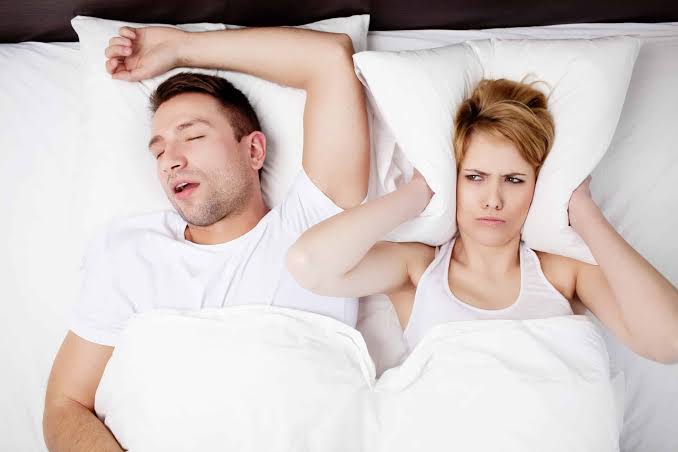
If you’ve been told that you have a loud snoring habit, or are awake and tired regardless of the amount of sleep you’ve had, it’s not difficult to conclude that a dentist isn’t a professional to go to. Dentists play a crucial part in the diagnosis and treatment of snoring and sleep apnea Wyndham Vale-typically as a replacement or a companion to the well-known CPAP machine.
This guide will explain the relationship between your jaw, your mouth and airway, the ways dental professionals can assist in treating you, and what the procedure actually requires.
Why Does Snoring Happen?
The airflow that flows through your throat and mouth becomes limited while you sleep, causing your tissues around it to shake. There are several factors that contribute to this:
- Relaxed tongue and throat muscles in sleep
- The size and position of the jaw will affect how much airway space is available to fill.
- Additional soft tissues in the throat, or the large tongue
- Position of sleep, particularly sleeping on your back
- Nasal blockages or congestion
Snoring for many is merely a nuisance for their partner. For others, it’s a sign of something more important: obstructive sleep apnea (OSA).
What Is Obstructive Sleep Apnea in Wyndham Vale?
Obstructive sleep apnea (OSA) is an illness in which the airway becomes either partially or completely blocked through the night, leading to breath pauses that last for a few seconds. These interruptions — often hundreds or even dozens of times throughout the night- cause a lack of restful and deep sleep, and may affect your health far beyond being exhausted.
Common Signs of Sleep Apnea
- Loud, constant snoring
- Gasping or choking sounds during sleep
- The first thing you notice is a headache or dry mouth
- A lot of fatigue during the day even after a good night’s rest
- Trouble concentrating
- A partner noticing pauses in your breathing while asleep
If any of these sounds familiar, it’s important to discuss the issue the matter with your GP and dentist, as a team approach typically produces the best results.
How Does a Dentist Fit Into Sleep Apnea Treatment?
This is the point where it astonishes many patients. Your jaw’s position and airway anatomy is directly related to how the airflow in your rest — and dentists are specially trained to evaluate and treat this.
For patients suffering from moderate to light sleep apnea or who find the CPAP machine difficult or uncomfortable to manage, a dentist may recommend the patient with a customised oral appliance -an appliance worn at night, which gently moves the jaw, ensuring that an airway wide.
How Does an Oral Appliance Work?
A dental sleep appliance generally is operated through:
- Holding the lower jaw slightly forward, which prevents the tongue and soft tissue from collapsing back into the airway
- Stabilising the jaw position throughout the night, reducing vibration in the throat that causes snoring
- Keeping the airway more open, reducing the frequency of breathing pauses.
In contrast to the CPAP machine, which utilises continuous air pressure using masks it is smaller, does not require electricity, and lots of patients find it more comfortable to take on trips with.
Who Is a Good Candidate for an Oral Sleep Appliance?
Oral appliances are typically the best suited for:
- Patients suffering from light to moderate sleep apnea that is obstructive
- People who have a habit of snoring without having a confirmed diagnosis of apnea
- Patients who have tried CPAP but have found it to be uncomfortable and noisy, or hard to maintain
- People who frequently travel and need a simpler, mobile solution
For those suffering from severe sleep apnea, CPAP is often still the most effective treatment but in some instances an alternative approach – and/or an appliance for oral use as a second option is advised by your medical team.
What Does the Process Look Like?
Making a customised oral appliance typically includes three steps.
- The initial consultation Your dentist will review your medical history, symptoms and ideally the results of your sleep study (from the GP or an expert in sleep) to confirm that your condition is serious. problem.
- Digital scans or impressions of your bite and teeth are taken.
- Custom-designed fabrication for the device customised to the jaw and mouth of yours.
- Adjustment and fitting: Your dentist will assess the comfort and fit, and can make small adjustments to jaw location over subsequent visits to optimise the outcomes.
- Review of follow-up which may include an additional sleep study to ensure that the device can reduce the symptoms.
Snoring Treatment vs Sleep Apnea Treatment: What’s the Difference?
It’s a valid question, because the two are often placed in the same category.
- The treatment for Snoring is focused on reducing the sound and disruption caused by the snoring itself. It could or might not be related with sleep apnea.
- Sleep Apnea Treatment treats the root cause of breathing problems, which can are more serious health issues than noise. This includes links with high blood pressure, fatigue during the daytime and diminished quality of life if untreated.
A dentist can help you with both, however an accurate diagnosis (often by sleep studies) is essential to know what you’re dealing with the treatment approach, as they may differ.
Benefits of Treating Snoring and Sleep Apnea
The issue isn’t only about having a more peaceful bedroom; it can dramatically make a difference in your daily life:
- More quality sleep for you as well as your companion
- Improved daytime sleep and increased concentration
- Lower health risks long-term related to sleep problems that aren’t treated, such as apnea
- A simpler, less mobile choice for CPAP for candidates who are suitable
- Energy and mood levels are improved. levels
When Should You See a Dentist About Snoring?
If you’re having trouble sleeping, the quality of your sleep and your relationships, or your energy levels during the day – or when you suspect that you have sleep apnea from the symptoms above, it’s worthwhile having a chat. Your dentist will determine if the use of an appliance for oral purposes is the best option and will usually collaborate with the advice of your GP or sleep expert to ensure that you receive the most accurate diagnosis.
Take the First Step Toward Better Sleep
Sleep apnea and snoring is a lot less difficult to treat than people think, and a custom-fitted dental appliance could be a simple and easy solution. If snoring noises, restless nights, or daytime fatigue are a common occurrence, schedule an appointment to determine what treatment options are suitable for you.
Get your appointment today and begin working towards better sleep and more restful nights.
Related reading: Sleep Apnea Treatment in Werribee · Sleep Apnea Treatment in Manor Lakes · Best Sleep Dentist Wyndham Vale · Snoring Treatment Werribee
